Automotive Elegance

Blog / Car Window Tint

Blog

All Car Window Tint Blog Paint Protection Film Ceramic Coating
Window Tinting

Window Tinting Tools: The Precision Instruments Behind a Flawless Finish

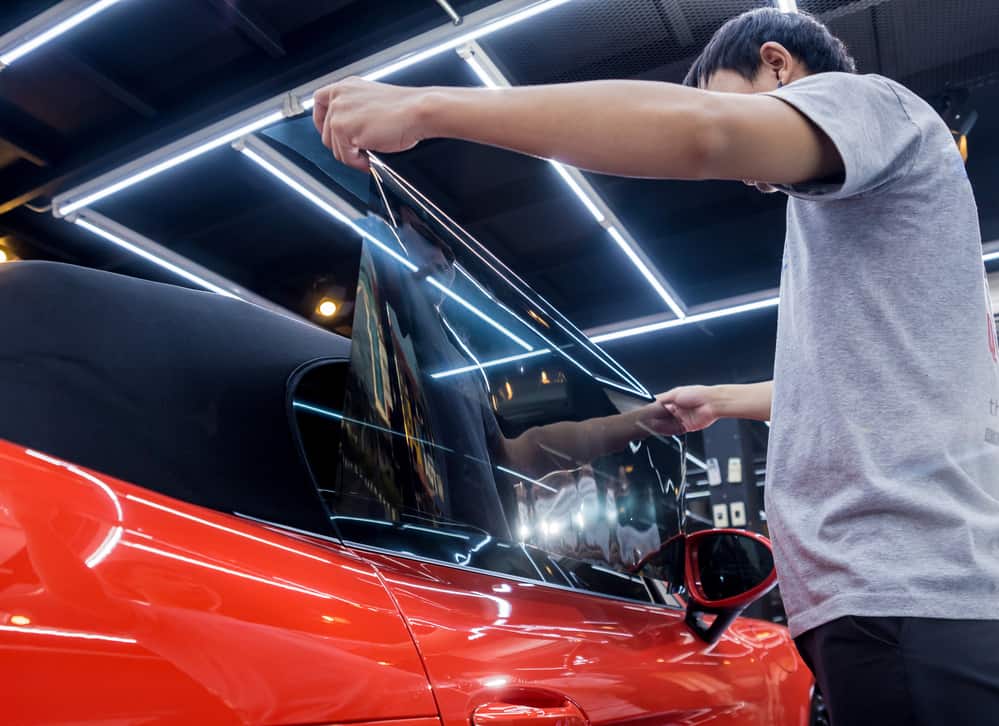
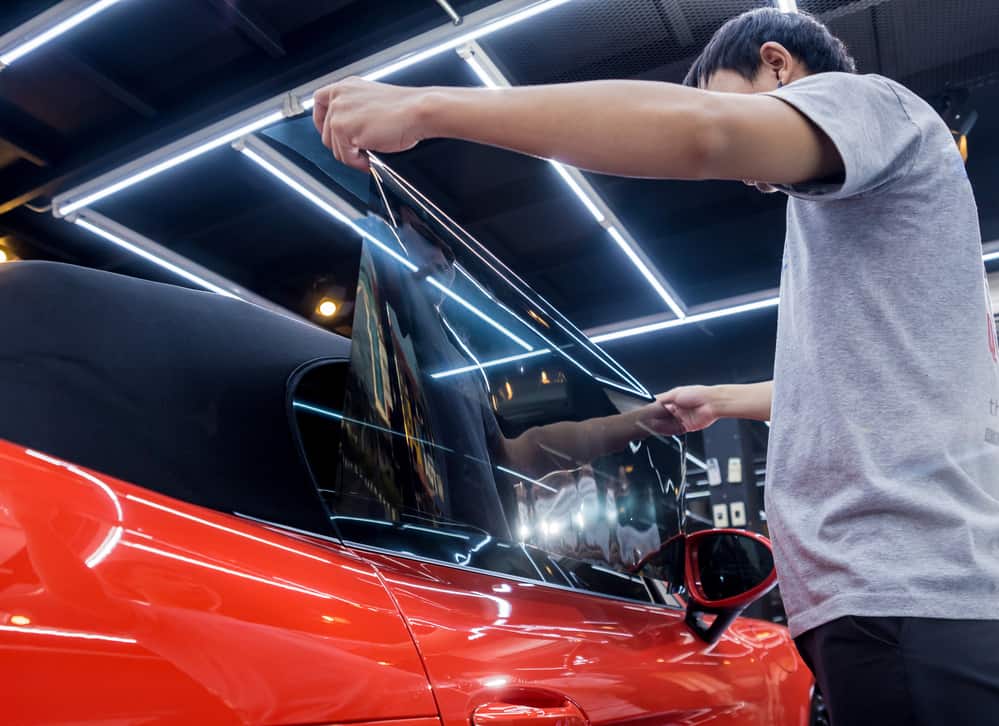
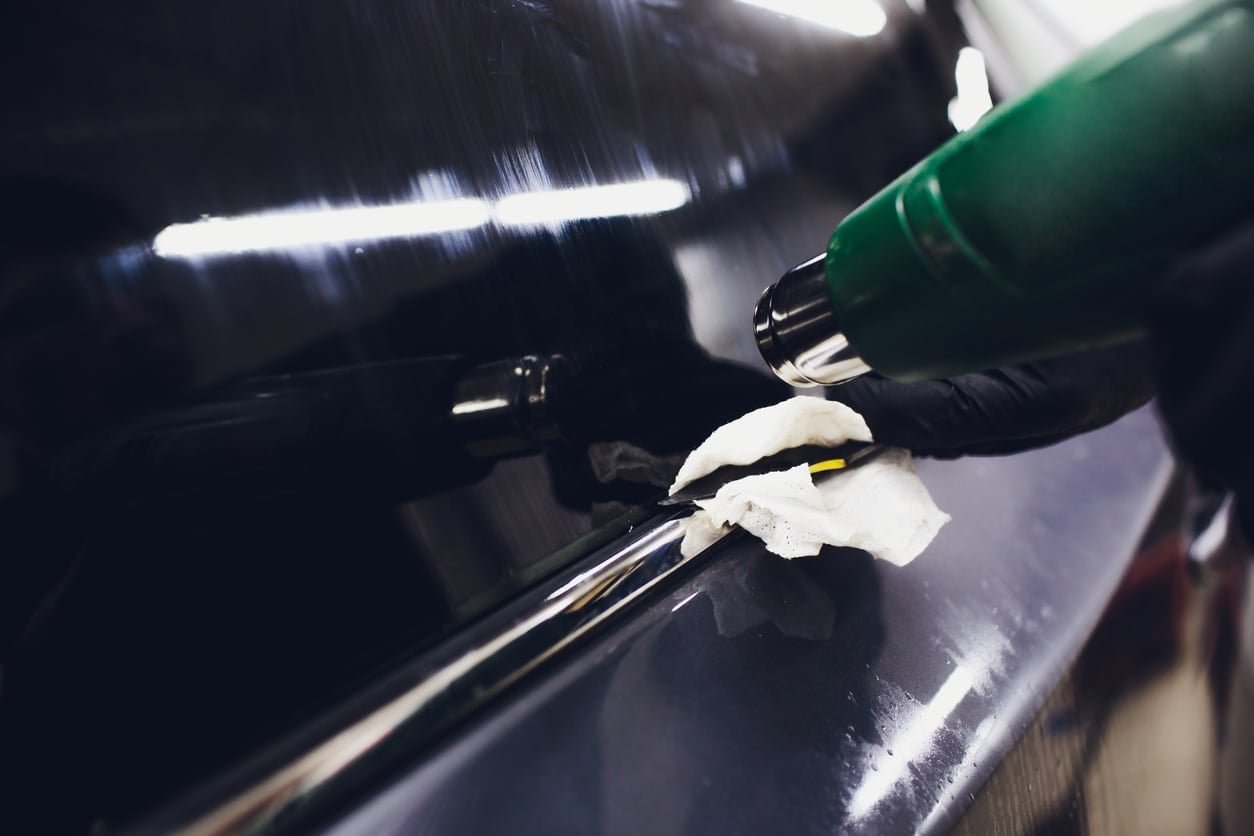
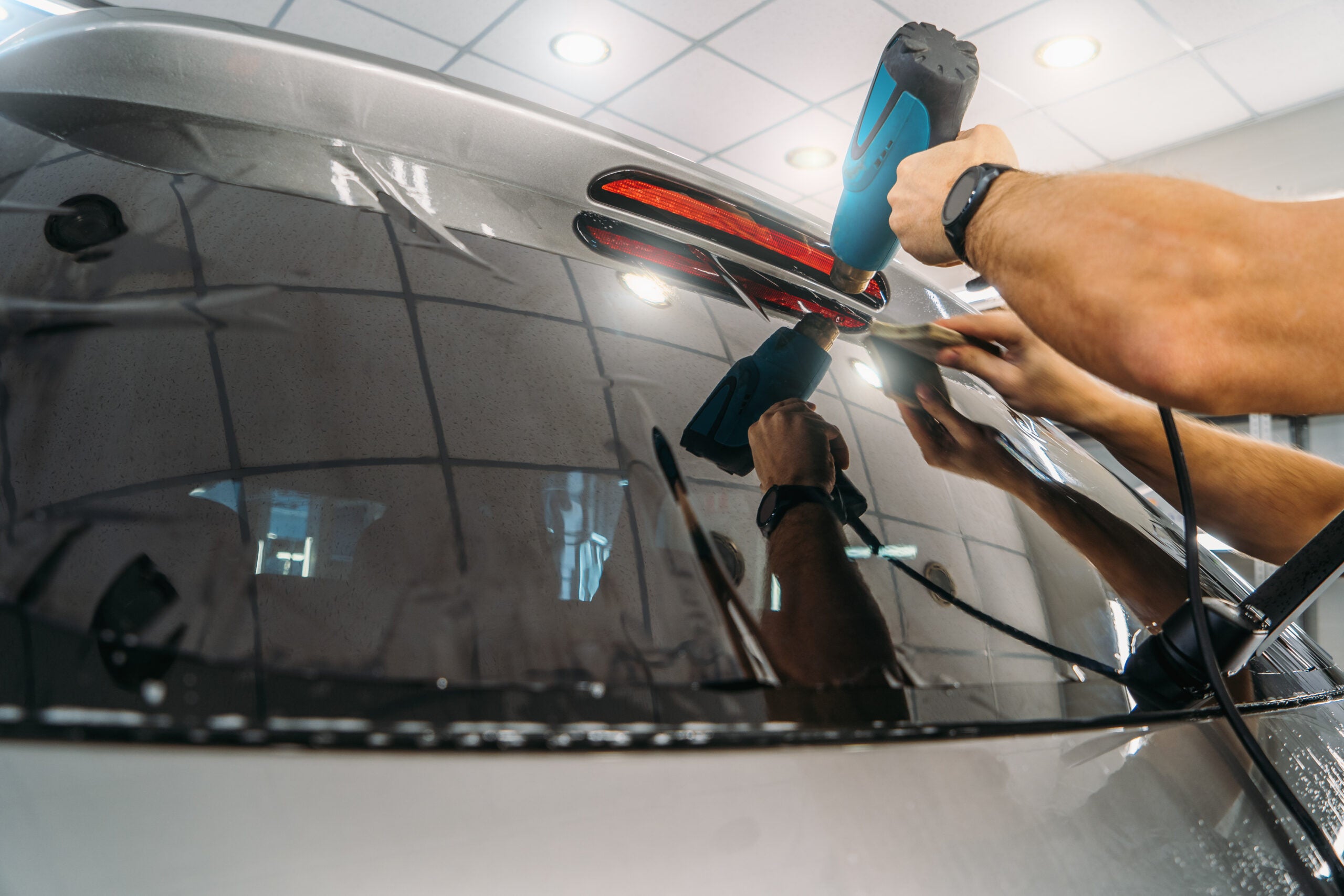
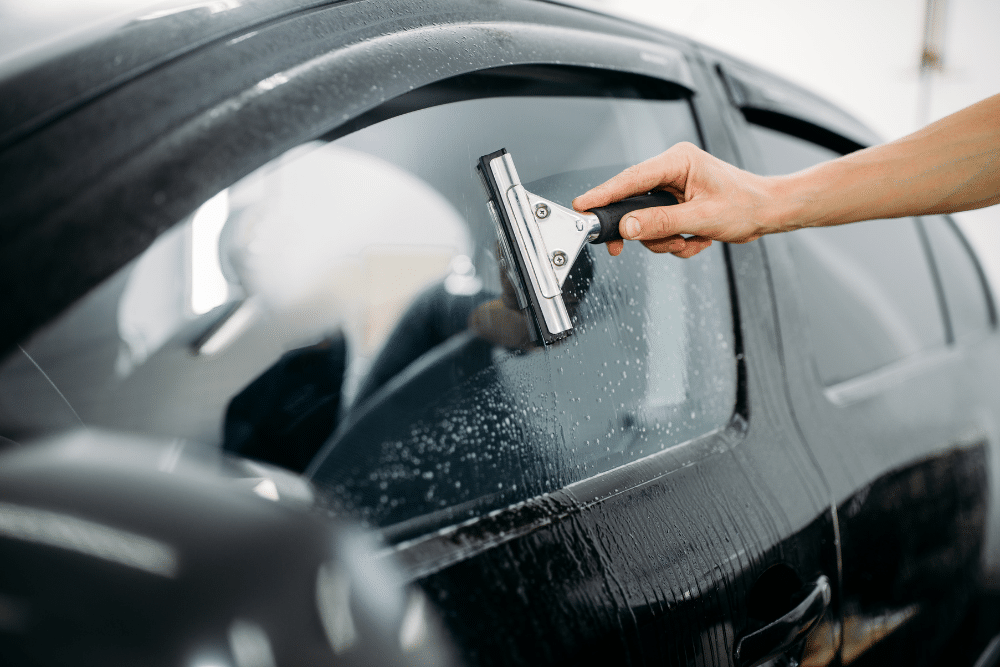
Today we will provide insight into the specialized tools and equipment used by professional window tint installers, highlighting how these instruments contribute to the precision and quality of the final product. Keep in mind that there are a vast array of tools used for tinting and will vary from one technician to another. Achieving a flawless, bubble-free, and long-lasting window tint installation is far from a simple DIY task. It requires not only immense skill and experience but also a specialized arsenal of professional-grade window tinting tools. At Automotive Elegance, our world-leading craftsmanship is built upon the meticulous use of these precision instruments, ensuring every tint job meets our uncompromising standards. Beyond a Squeegee: The Professional Arsenal: While the humble squeegee is perhaps the most recognizable tinting tool, it’s just one piece of a sophisticated puzzle. Professional installers employ a diverse range of equipment designed for specific stages of the process: 1. Preparation Tools – The Foundation of Flawless Tint: Glass Scrapers (Non-Metallic): These are essential for meticulously cleaning the glass surface. Professionals use specialized non-metallic blades to remove embedded dirt, grime, tar, paint overspray, or old adhesive residues without scratching the glass or damaging delicate defroster lines on the rear window. Professional Cleaning Solutions: High-quality, residue-free cleaning solutions are crucial. Unlike household cleaners, these are formulated to leave no film or contaminants that could interfere with the tint's adhesion or clarity. Lint-Free Microfiber Towels/Cloths: Absolutely vital. Any speck of dust or lint trapped under the film will create a permanent imperfection. Professionals use dedicated, ultra-fine microfiber cloths to ensure a pristine, particle-free surface. 2. Film Handling & Cutting Tools – Precision to the Millimeter: Computerized Plotters: This is a cornerstone of modern, high-quality tinting. Automotive Elegance utilizes advanced computer-controlled plotters that precisely cut film patterns from a vast digital database. This ensures a perfect, custom fit for every make, model, and year of vehicle, minimizing waste and eliminating the risk of human error from hand-cutting directly on the vehicle's glass. Precision Knives/Blades: Even with plotter-cut patterns, final trimming is often required through the installation process. Professionals use extremely sharp, surgical-grade blades, often with snap-off segments, to ensure a consistently razor-sharp edge for clean, precise cuts without tearing the film. 3. Application Tools – The Art of Adhesion: Squeegees (Various Types and Hardnesses): This is where the magic happens. Professional kits include a variety of squeegees: Hard Cards/Bondos: Stiff plastic cards for initial tacking and firm pressure. Rubber Squeegees: Softer blades used to smoothly push out water and air bubbles across larger surfaces. "Chizlers" and Specialty Tools: Smaller, uniquely shaped squeegees designed to reach tight corners, recessed areas, and work around complex window seals Spray Bottles: Not just any spray bottle. These are used to apply the "slip solution" (a mix of water and a mild, pH-neutral soap or specific tinting solution) generously to the glass. This solution allows the installer to precisely position and float the film before squeegeeing. Heat Guns: Essential for "heat shrinking" the film. Many modern car windows, especially rear windshields, have compound curves. A professional heat gun allows the installer to carefully shrink and mold the flat film to perfectly conform to these curves on the exterior of the glass before applying it to the interior. This prevents creases and fingers from forming. 4. Finishing & Inspection Tools – The Final Touch: Inspection Lights: After installation, specialized bright lights are used to meticulously inspect the film from every angle, identifying any minuscule imperfections like tiny dust particles or air bubbles that might be missed in normal lighting. VLT Meters: While not strictly an installation tool, professional shops often use VLT (Visible Light Transmitted) meters to accurately measure the final tint percentage, ensuring it matches the client's choice and any relevant specifications. The Skill Behind the Tools: It's crucial to understand that while these tools are indispensable, they are only as effective as the hands wielding them. The true artistry of window tinting lies in the installer's experience, patience, and meticulous attention to detail. This is what truly differentiates a professional job from a DIY attempt. Right tools at Automotive Elegance: Our world-leading craftsmanship is meticulously supported by the most advanced window tinting tools and technology available. From precision cutting with computerized plotters to expert application with a full array of specialized squeegees and heat guns, every instrument is wielded with unparalleled care and skill. The end result is a flawlessly installed window tint, free of imperfections, that perfectly fits your vehicle, showcasing the precision, quality, and lasting beauty that defines Automotive Elegance
auto-window-tint-near-me

Window Tint for Privacy: Enjoying Enhanced Discretion and Security on the Road

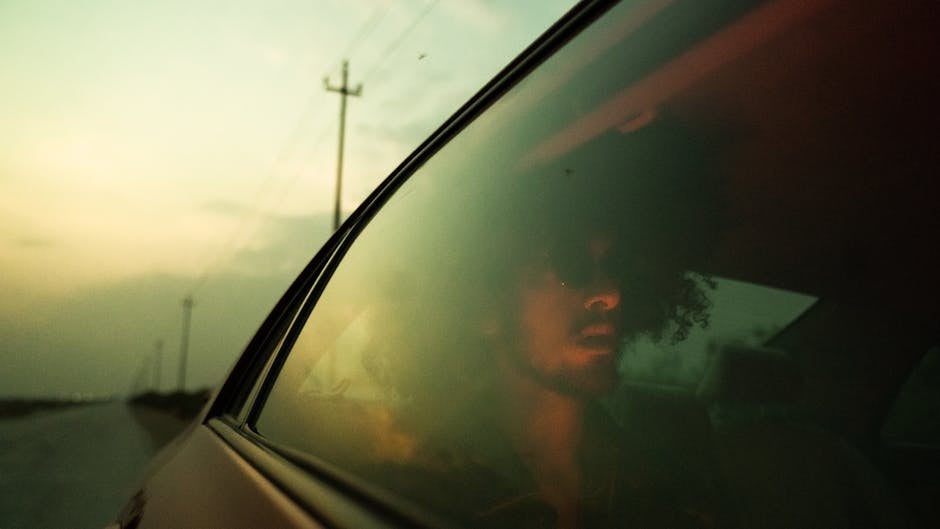
In this topic, we will focus on how window tinting provides varying degrees of privacy for vehicle occupants and contents, and how this contributes to enhanced security. In today's world, privacy and security are increasingly valued, even on the road. Your vehicle often serves as a private space, carrying personal belongings, passengers, and sometimes sensitive items. Window tinting, expertly applied by Automotive Elegance, offers a simple yet highly effective way to enhance both your discretion and security, allowing you to enjoy greater peace of mind wherever you drive or park. The Desire for Privacy: Many vehicle owners seek tint for a fundamental reason: to create a more private environment within their car. Whether it's to shield conversations, enjoy personal space, or simply to feel less exposed, tint delivers. How Tint Creates Privacy: Reduced Transparency (Lower VLT): The most direct way tint achieves privacy is by reducing the amount of visible light that passes through the glass. The lower the Visible Light Transmitted (VLT) percentage, the darker the tint, and the more difficult it is for outsiders to see into your vehicle. "One-Way Mirror" Effect (Daytime): During daylight hours, when the light outside your vehicle is significantly brighter than the light inside, quality window tint creates a "one-way mirror" effect. It becomes very challenging for people outside to see into your vehicle, even if you can see out clearly from the interior. This effect diminishes in low light or at night when interior lights are on. Levels of Privacy (VLT Dependent): Different VLT percentages offer varying degrees of privacy: Subtle Concealment (e.g., 70% VLT): Offers a gentle increase in privacy, making it slightly harder to discern details inside from a distance. Moderate Privacy (e.g., 45% VLT): A popular choice, providing a good balance where interiors are not easily visible from outside unless one is very close. Significant Privacy (e.g., 20% VLT): Noticeably darker, making it difficult to see occupants or contents from most angles, especially during the day. Maximum Privacy ("Limo Tint" - 5% VLT): Extremely dark, offering near-complete opacity from the outside. It's virtually impossible to see into the vehicle, even up close. Enhanced Security: Beyond just privacy, window tint plays a significant role in improving your vehicle's security: Deterring Opportunistic Theft: If potential thieves cannot easily see what valuables are inside your car (laptops, bags, phones), they are far less likely to target your vehicle for smash-and-grab attempts. "Out of sight, out of mind" is a powerful deterrent. Concealing Occupants: For individuals who desire anonymity or those carrying sensitive items, tint provides a crucial layer of concealment, offering peace of mind. Shatter Resistance (Secondary Benefit): In the unfortunate event of an impact or attempted forced entry, the adhesive layer of quality window film can help hold shattered glass fragments together. This makes it more difficult and time-consuming for an intruder to gain quick access, potentially deterring them or allowing more time for intervention. Reduced Visibility for Stalking/Surveillance: While a more extreme scenario, tint makes it harder for individuals to track or monitor occupants discreetly. Balancing Privacy with Visibility: It's important to consider the trade-off. While very dark tints (e.g., 5%) offer maximum privacy, they can significantly reduce outward visibility, especially at night or in low-light conditions. This is particularly true for side and rear windows and is a crucial safety consideration. Automotive Elegance can help you choose a VLT that balances your desire for privacy with your need for safe visibility. Keeping you Private at Automotive Elegance: When you choose Automotive Elegance for your window tinting, you're not just enhancing your car's look; you're investing in a heightened sense of personal privacy and vehicle security. Our expert installation ensures a flawless finish that not only enhances your vehicle's discretion by obscuring its contents but also provides you with a heightened sense of peace of mind on every journey. Experience superior privacy and confidence on the road, backed by our world-class craftsmanship and premium film selection.

Window Tinting - Concord, MA

The Benefits of Reducing Glare with Window Tinting for Safer Driving

Today we will focus on how window tint significantly reduces glare from sunlight, headlights, and reflections, thereby improving driver visibility and contributing to a safer driving experience. Driving should be a focused and comfortable experience, but blinding glare can quickly turn a pleasant journey into a hazardous one. Whether it's the harsh midday sun, blinding reflections, or dazzling headlights at night, glare significantly impairs visibility and strains your eyes. Professional window tinting, expertly installed by Automotive Elegance, offers a powerful solution, dramatically reducing glare and making your drives safer and more enjoyable. The Problem of Glare: Glare is essentially excessive light that interferes with your ability to see clearly. It comes from various sources: Sun Glare: Direct sunlight, especially during sunrise or sunset, can be incredibly intense, making it difficult to see traffic, pedestrians, road signs, or even the road itself. Headlight Glare: Modern LED and HID headlights, while effective for illumination, can be overwhelmingly bright from oncoming traffic or in your rearview mirror, causing temporary blindness or "whiteout" effects at night. Reflective Glare: Sunlight bouncing off wet roads, snow, ice, other vehicles, or even reflective buildings can create uncomfortable and dangerous bright spots. Eye Strain and Fatigue: Constant exposure to glare forces your eyes to work harder, leading to squinting, headaches, blurred vision, and overall driver fatigue, which can compromise your reaction time and decision-making. How Window Tint Combats Glare: Quality window tint is designed to be your ally against glare through several mechanisms: Reduction of Visible Light Transmitted (VLT): The most direct way tint reduces glare is by decreasing the overall amount of visible light that passes through the glass. By filtering excessive light, the intensity of bright spots is significantly diminished. Even lighter VLT films (e.g., 50% or 35%) can offer substantial glare reduction without making the view too dark. Even Light Distribution: Tint helps to distribute incoming light more evenly across your field of vision, eliminating harsh contrasts and preventing localized bright spots that can overwhelm your eyes. Improved Contrast: By cutting down on glare, tint can actually enhance contrast, making it easier for your eyes to discern objects, lines, and details on the road surface, especially in bright or low-light conditions. Impact on Driver Safety and Comfort: The benefits of reduced glare directly translate into a superior driving experience: Reduced Eye Strain: Less squinting and constant adjustment mean your eyes are more relaxed, leading to fewer headaches and less fatigue on long drives. Improved Reaction Time: With clearer vision and less visual interference, you can perceive hazards and react more quickly to sudden changes on the road, such as a sudden stop or an animal darting out. Enhanced Visibility: Whether it's reading a street sign, seeing a traffic light, or spotting a pedestrian, reduced glare ensures that your view of the road ahead and around you is consistently clearer. Increased Confidence: Driving without constant visual distractions instills greater confidence, especially during challenging conditions like dawn, dusk, or heavy rain. Night Driving Comfort: While some darkness needs to be considered, quality tint (especially ceramic films) can effectively diffuse harsh headlight glare from behind and oncoming traffic, making night driving much more comfortable. Tint with Clarity at Automotive Elegance: When you choose Automotive Elegance for your window tinting, you're investing in a safer, more comfortable, and ultimately more enjoyable driving experience. Our expertly installed, high-performance films dramatically reduce dangerous glare from all sources, ensuring clearer visibility day and night. The end result is increased confidence on the road, reduced eye strain, and a driving environment where you can focus on what matters most – the journey ahead – all thanks to the precision and quality of the #1 PPF installer in the world.

window tinting near me

How to Care for Your Newly Tinted Windows: Tips for Long-Lasting Clarity

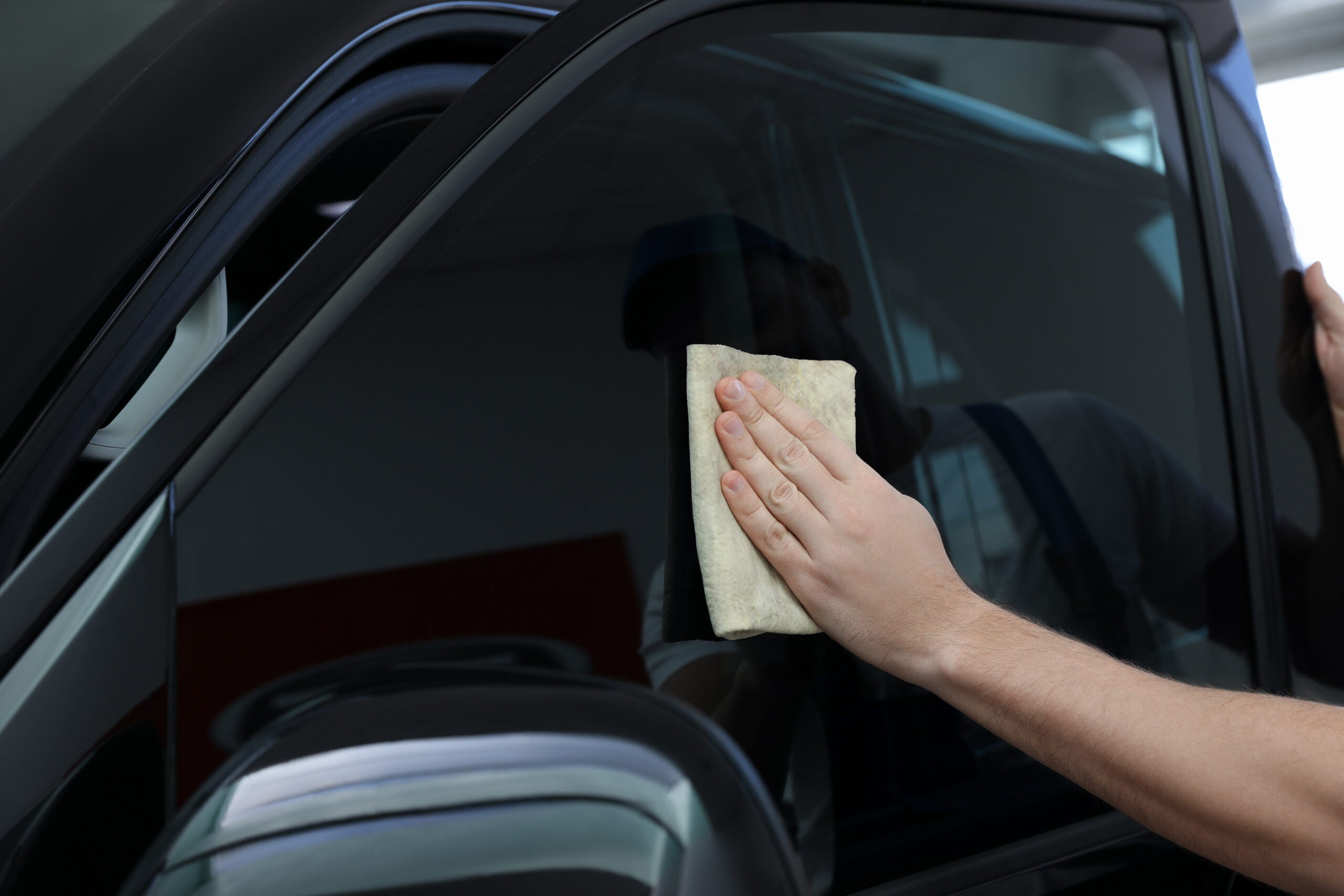
Here we will discuss essential aftercare instructions and maintenance tips for vehicle owners with newly installed window tint, ensuring the film cures properly and maintains its appearance and performance for years. Congratulations on your new window tint from Automotive Elegance! You've invested in superior comfort, protection, and style for your vehicle. To ensure your tint reaches its optimal performance and maintains its flawless appearance for years to come, proper aftercare during the crucial "cure time" and ongoing maintenance are essential. Here’s what you need to know: The Critical Cure Period (Immediate Aftercare): The first few days after installation are vital for the tint's adhesive to fully bond to the glass. This is known as the "cure time." DO NOT Roll Down Your Windows: This is the most important rule. For 3-7 days (depending on film type and ambient temperature) after installation, resist the urge to roll down your windows. The adhesive needs this time to dry and bond completely. Rolling them down prematurely can cause the film to peel, crease, or lift from the edges, requiring costly re-installation. Expect Initial Haziness or Bubbles: It's completely normal to see some haziness, faint streaks, or small, dime-sized water bubbles under the film. This is simply the moisture from the installation solution evaporating. As the film cures, these will disappear naturally, revealing crystal-clear results. Avoid Poking or Prodding: Do not attempt to push out any bubbles or touch the film during the cure period. This can dislodge the film or introduce contaminants. Patience is key. Parking in Sunlight Can Help: If possible, park your car in direct sunlight. The warmth helps to accelerate the drying and curing process, allowing the film to bond faster. Long-Term Cleaning and Maintenance (After the Cure Period): Once the cure time has passed and your tint is clear, follow these guidelines for long-term care: Wait to Clean: We recommend waiting at least 15 days after installation before cleaning the inside of your newly tinted windows. This provides an extra layer of assurance that the film is fully bonded. ALWAYS Use Ammonia-Free Cleaners: This is absolutely critical. Ammonia-based glass cleaners (like many common household brands) will chemically break down the film's top layer and dyes over time, leading to bubbling, peeling, discoloration (often purpling), and haziness. Look for cleaners specifically labeled "tint-safe" or "ammonia-free." A simple solution of water and a few drops of mild dish soap can also work effectively. Use Soft Cleaning Materials: Always use a soft, lint-free microfiber cloth or a very soft, high-quality paper towel when cleaning your tinted windows. Avoid abrasive sponges, brushes, or rough towels, as these can scratch the film's protective coating. Gentle Cleaning Technique: Spray the ammonia-free cleaner directly onto your cloth, not directly onto the window (to prevent overspray onto door panels or speakers). Wipe gently in one direction, from top to bottom, to avoid streaking and ensure an even clean. Avoid Harsh Abrasives or Sharp Objects: Never use razor blades, steel wool, or any abrasive cleaning pads on your tinted windows, as they will permanently damage the film. Mind Your Seatbelts: Be mindful when unbuckling seatbelts. Allowing the buckle to snap back and hit the tinted glass can create small nicks or scratches on the film over time. Caring for your tint: With the proper care instructions provided by Automotive Elegance, your new window tint will achieve its optimal cure and deliver lasting clarity and performance. Our meticulous installation, combined with your diligent maintenance efforts, ensures that your investment remains flawless for years to come. The end result is beautifully tinted windows that continue to provide superior comfort, protection, and enhance your vehicle's aesthetic, a testament to our quality and your commitment to proper care.

Window Tinting - Carlisle, MA

How to Care for Your Newly Tinted Windows: Tips for Long-Lasting Clarity

Here we will discuss essential aftercare instructions and maintenance tips for vehicle owners with newly installed window tint, ensuring the film cures properly and maintains its appearance and performance for years. Congratulations on your new window tint from Automotive Elegance! You've invested in superior comfort, protection, and style for your vehicle. To ensure your tint reaches its optimal performance and maintains its flawless appearance for years to come, proper aftercare during the crucial "cure time" and ongoing maintenance are essential. Here’s what you need to know: The Critical Cure Period (Immediate Aftercare): The first few days after installation are vital for the tint's adhesive to fully bond to the glass. This is known as the "cure time." DO NOT Roll Down Your Windows: This is the most important rule. For 3-7 days (depending on film type and ambient temperature) after installation, resist the urge to roll down your windows. The adhesive needs this time to dry and bond completely. Rolling them down prematurely can cause the film to peel, crease, or lift from the edges, requiring costly re-installation. Expect Initial Haziness or Bubbles: It's completely normal to see some haziness, faint streaks, or small, dime-sized water bubbles under the film. This is simply the moisture from the installation solution evaporating. As the film cures, these will disappear naturally, revealing crystal-clear results. Avoid Poking or Prodding: Do not attempt to push out any bubbles or touch the film during the cure period. This can dislodge the film or introduce contaminants. Patience is key. Parking in Sunlight Can Help: If possible, park your car in direct sunlight. The warmth helps to accelerate the drying and curing process, allowing the film to bond faster. Long-Term Cleaning and Maintenance (After the Cure Period): Once the cure time has passed and your tint is clear, follow these guidelines for long-term care: Wait to Clean: We recommend waiting at least 15 days after installation before cleaning the inside of your newly tinted windows. This provides an extra layer of assurance that the film is fully bonded. ALWAYS Use Ammonia-Free Cleaners: This is absolutely critical. Ammonia-based glass cleaners (like many common household brands) will chemically break down the film's top layer and dyes over time, leading to bubbling, peeling, discoloration (often purpling), and haziness. Look for cleaners specifically labeled "tint-safe" or "ammonia-free." A simple solution of water and a few drops of mild dish soap can also work effectively. Use Soft Cleaning Materials: Always use a soft, lint-free microfiber cloth or a very soft, high-quality paper towel when cleaning your tinted windows. Avoid abrasive sponges, brushes, or rough towels, as these can scratch the film's protective coating. Gentle Cleaning Technique: Spray the ammonia-free cleaner directly onto your cloth, not directly onto the window (to prevent overspray onto door panels or speakers). Wipe gently in one direction, from top to bottom, to avoid streaking and ensure an even clean. Avoid Harsh Abrasives or Sharp Objects: Never use razor blades, steel wool, or any abrasive cleaning pads on your tinted windows, as they will permanently damage the film. Mind Your Seatbelts: Be mindful when unbuckling seatbelts. Allowing the buckle to snap back and hit the tinted glass can create small nicks or scratches on the film over time. Caring for your tint: With the proper care instructions provided by Automotive Elegance, your new window tint will achieve its optimal cure and deliver lasting clarity and performance. Our meticulous installation, combined with your diligent maintenance efforts, ensures that your investment remains flawless for years to come. The end result is beautifully tinted windows that continue to provide superior comfort, protection, and enhance your vehicle's aesthetic, a testament to our quality and your commitment to proper care.

Window Tinting

The Benefits of UV Window Protection: Safeguarding Your Health and Interior

Topic Definition: This article will elaborate specifically on the crucial benefit of UV protection offered by window tinting, explaining why it's important for both occupant health and the longevity of a vehicle's interior. The sun's rays, while essential for life, also carry an invisible threat: Ultraviolet (UV) radiation. Most drivers are unaware that standard automotive glass offers only limited protection against these harmful rays. This is where professional window tinting, particularly high-quality films installed by Automotive Elegance, becomes an indispensable shield, safeguarding both your health and your vehicle's interior. The Invisible Threat: UV Rays UV radiation consists primarily of two types that reach the Earth's surface: UVA Rays: These rays penetrate deep into the skin, contributing to premature aging, wrinkles, and significantly increasing the risk of skin cancer. They can also pass through most car window glass. UVB Rays: These are the primary cause of sunburn and also contribute to skin cancer. While most standard car side and rear windows block a large portion of UVB, the windshield typically blocks nearly all of it. However, the cumulative exposure from side windows remains a concern. Standard Car Glass Limitations: While a car's windshield is typically laminated and blocks some UV radiation, side and rear windows are usually made of tempered glass, which blocks only a portion of UVA rays. This means occupants are continuously exposed to harmful UV radiation during daily commutes, even on cloudy days, making your vehicle a silent tanning booth with long-term consequences. How Window Tint Provides Superior UV Defense: Quality automotive window film is engineered specifically to act as a formidable barrier against UV radiation: Filtering Harmful Rays: Premium window films, especially ceramic and carbon films, are designed to block an astonishing 99% or more of both UVA and UVB rays. This far exceeds the protection offered by factory glass alone. Sacrificial Layer: The film absorbs or reflects UV light before it ever reaches your skin or your car's interior. Benefits for Occupants – Protecting Your Health: Skin Health: The most critical benefit. By drastically reducing your daily UV exposure in the car, quality window tint helps prevent premature skin aging (sun spots, wrinkles), reduces the risk of sunburn on exposed skin, and significantly lowers your lifetime risk of developing skin cancers, including melanoma, on the side of your body closest to the window. Eye Protection: Consistent exposure to UV rays can contribute to various eye conditions, including cataracts and macular degeneration. Tint helps minimize this exposure, reducing long-term eye damage and minimizing uncomfortable glare that causes eye strain. Overall Comfort: While primarily a heat-blocking benefit, a cooler interior also contributes to overall well-being and reduces the likelihood of dehydration on long drives. Benefits for Vehicle Interior – Preserving Your Investment: Upholstery Preservation: UV rays are notorious for fading and discoloring car seats, whether they are leather, fabric, or vinyl. Tint shields these materials, preserving their original vibrancy and texture. Dashboard and Trim Protection: Dashboards, often made of plastic or vinyl, are particularly vulnerable to sun damage, leading to cracking, warping, and discoloration. Tint dramatically extends the life and appearance of these components. Carpet and Floor Mat Integrity: Even carpets can fade and become brittle over time due to UV exposure. Tint helps maintain their original color and integrity. Electronics Longevity: While less direct, extreme interior heat caused by solar radiation can also stress and potentially shorten the lifespan of sensitive electronic displays and components within your vehicle. Long-Term Value: By preventing these myriad forms of sun damage, UV window protection from Automotive Elegance not only extends the aesthetic appeal of your vehicle but also significantly preserves its resale value. A car with a pristine, unfaded interior is a far more attractive prospect to potential buyers. How Automotive Elegance delivers UV Protection for all: Investing in UV window protection with Automotive Elegance means investing in the long-term health of yourself, your passengers, and your vehicle's interior. Our premium window films, expertly installed, provide an invisible, powerful shield against harmful UV rays, ensuring your car's pristine condition and fostering a safer, more comfortable driving environment. Experience the profound peace of mind that comes with superior protection from the world's leading PPF and tint installer.

window tinting near me

What is Ceramic Window Tint? The Premium Choice for Heat Rejection

This excerpt will focus specifically on ceramic window tint, detailing its unique composition, superior performance characteristics, and why it is considered the leading film technology for automotive applications. Introduction to Ceramic Tint: In the evolving world of automotive enhancements, ceramic window tint stands out as the pinnacle of film technology. Unlike traditional dyed, metalized, or even carbon-based films, ceramic tint offers a sophisticated blend of performance, durability, and clarity that truly redefines the driving experience. At Automotive Elegance, we frequently recommend ceramic tint as the superior choice for discerning vehicle owners. The "Ceramic" Difference: Nano-Particle Technology: The key to ceramic tint's exceptional performance lies in its unique composition. Instead of dyes or metals, ceramic window films are infused with microscopic, non-conductive ceramic particles (often compounds like titanium dioxide or silicon carbide). These "nano-ceramic" particles are not visible to the naked eye but are engineered at a molecular level to selectively manage solar energy. Non-Metallic Composition – A Crucial Advantage: One of the most significant advantages of ceramic tint is its non-metallic nature. This is a critical distinction, especially for modern vehicles packed with technology. Unlike metalized films which can interfere with electronic signals, ceramic tint ensures: No Signal Interference: Your GPS, cell phone, satellite radio, Wi-Fi, and key fob remote starters will function without interruption. This makes ceramic tint the ideal choice for today's digitally connected automobiles. Superior Performance Attributes – Why Ceramic Excels: Exceptional Heat Rejection (Infrared Blocking): While all tints offer some heat reduction, ceramic films are masters of it. They are specifically designed to block a very high percentage of infrared (IR) light – the primary cause of heat buildup in your car. This means a significantly cooler interior, reduced reliance on your AC, and enhanced comfort, even on the hottest days. We measure this with an "IRR" (Infrared Rejection) percentage, where ceramic films typically achieve 90% or more. High UV Protection: Ceramic tint provides an outstanding barrier against harmful ultraviolet (UVA and UVB) radiation, blocking nearly 99% of these rays. This protects occupants from skin damage (sunburn, premature aging, skin cancer risk) and safeguards your vehicle's interior from fading, cracking, and deterioration. Unrivaled Optical Clarity: Despite its impressive heat and UV blocking capabilities, ceramic tint maintains excellent optical clarity. This means a clear, distortion-free view from inside the vehicle, without the hazy or cloudy appearance sometimes associated with lower-quality films. Durability and Color Stability: Ceramic films are incredibly robust. They are highly scratch-resistant, designed to withstand daily wear and tear. Crucially, because they don't rely on dyes, ceramic tints will not fade, change color (e.g., turn purple), or bubble over time, ensuring your investment looks and performs consistently for its entire lifespan. Glare Reduction: By reducing the total light entering the vehicle, ceramic tint effectively minimizes distracting glare from sunlight and oncoming headlights, enhancing driving safety and comfort. Applications and Value: Ceramic tint is suitable for all vehicle types and is particularly beneficial for those in sunny climates, or individuals who spend a lot of time in their cars. While it represents a higher initial investment compared to other films, its superior performance, longevity, and technological compatibility make it a compelling long-term value proposition. Ceramic options for all at Automotive Elegance: When you choose ceramic window tint from Automotive Elegance, you're opting for the highest standard of automotive protection and comfort. Our expert installation ensures that the advanced technology of ceramic film is fully realized on your vehicle, providing unparalleled heat rejection, UV protection, and optical clarity without compromise. The end result is a truly superior driving experience, year-round comfort, and a vehicle interior perfectly preserved by the world's leading craftsmanship.

window tinting near me

Professional Window Tint Installation: What to Expect from Start to Finish

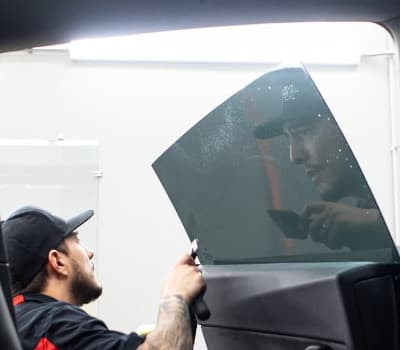
This article will walk customers through the step-by-step process of having their vehicle's windows professionally tinted, detailing what happens from drop-off to pickup and emphasizing the meticulousness involved. Having your vehicle's windows professionally tinted at Automotive Elegance is a meticulous process designed to ensure a flawless finish and lasting performance. It’s far more involved than simply applying a film. Here’s what you can expect from start to finish: 1. Pre-Installation Consultation (Your Vision, Our Expertise): Discussion of Needs: The process begins with a detailed conversation. Our experts will listen to your goals: are you prioritizing heat reduction, UV protection, privacy, aesthetics, or a combination? Film Selection: Based on your needs, we'll guide you through our premium film options, explaining the differences between ceramic, dyed and other technologies, as well as the various Visible Light Transmitted (VLT) percentages. Quote and Scheduling: You’ll receive a transparent, detailed quote, and we'll schedule your installation at your convenience 2. Vehicle Preparation (The Meticulous Start): This is perhaps the most critical stage, setting the foundation for a perfect tint job. Thorough Cleaning: Every window to be tinted undergoes an exhaustive cleaning process. This includes washing the exterior glass, meticulously cleaning the interior glass with non-metallic tools to remove any stubborn contaminants (tar, stickers, sap, dirt), and then multiple rounds of deep cleaning to ensure a dust-free, spotless surface. We often clean beyond the visible glass, into the door panel edges, where dust can hide. Protection: The vehicle's interior is carefully protected. This involves masking off sensitive electronics, speakers, door panels, and upholstery to shield them from water and application solutions. Pattern Cutting: We utilize advanced computer-cut tint patterns specific to your vehicle’s make, model, and year. This ensures precise, factory-level cuts for every window, minimizing waste and human error, and providing a seamless fit. For some applications, skilled hand-cutting may be used with extreme precision directly on the glass’s exterior. 3. The Application Process (Precision and Skill): This is where our world-leading craftsmanship shines. Heat Shrinking (for Curved Glass): For highly curved windows (like rear windshields), the pre-cut film is carefully placed on the exterior of the glass. Using a heat gun, our technicians meticulously shrink and mold the film to perfectly match the contour of the glass. This step is crucial to prevent bubbling and ensure a smooth, bonded finish once applied to the interior. Adhesive Activation & Placement: A specialized "slip solution" (water and a mild soap or specific tinting solution) is generously sprayed onto the clean interior glass. This allows the adhesive side of the film to be precisely slid into position. Squeegeeing: Using professional-grade squeegees of various sizes and hardness, our technicians systematically work from the center outwards, expelling all the slip solution and air bubbles from under the film. This process requires significant pressure, skill, and an eye for detail to ensure a perfect, bubble-free bond. Trimming & Edge Finishing: The film is meticulously trimmed to the very edge of the glass (often referred to as "chip-free" or "rolled edges") for a seamless, factory-like appearance that completely covers the window and prevents peeling. 4. Post-Installation & Cure Time: Initial Appearance: Immediately after installation, you might notice some slight haziness, faint streaks, or small, dime-sized water pockets under the film. This is completely normal and part of the curing process as the water evaporates. Cure Time: The adhesive needs time to fully bond and dry. We will advise you on the necessary "cure time," which typically ranges from 3 to 7 days, depending on the film type and ambient weather conditions. During this period, it is crucial not to roll down your windows. Care Instructions: You’ll receive detailed instructions on how to care for your newly tinted windows, including when you can clean them and what types of cleaners to use (always ammonia-free). Warranty Information: You will be provided with your manufacturer's warranty information, covering the film against defects, bubbling, peeling, or fading for its lifespan. Our installation is also backed by our workmanship guarantee. End Result with Automotive Elegance: Choosing Automotive Elegance means a professional, transparent, and meticulous window tint installation experience. From the initial consultation to the final quality check, our world-leading craftsmen ensure every step is executed to perfection. The end result is flawlessly applied window tint that not only enhances your vehicle's look and performance but also provides lasting comfort and protection, all backed by our unparalleled expertise and unwavering commitment to your complete satisfaction.

Window Tinting

Understanding Window Tint Percentages: What VLT Means for Your Visibility and Style

This article will explain Visible Light Transmitted (VLT) percentages in window tinting, clarifying how different percentages affect the tint's darkness, visibility, and aesthetic. What is VLT? When discussing window tint, you'll frequently hear about "VLT percentages." VLT stands for Visible Light Transmitted, and it's the most crucial factor determining how dark your window tint will appear. Simply put, the VLT percentage indicates how much visible light is allowed to pass through the tinted window. Higher VLT percentage = Lighter tint (more light passes through). For example, 70% VLT means 70% of visible light gets through, making the tint very light, almost clear. Lower VLT percentage = Darker tint (less light passes through). For example, 5% VLT means only 5% of visible light gets through, resulting in a very dark, opaque appearance. The Spectrum of Darkness and Its Impact: 70% VLT (Very Light/Clear): Appearance: Often looks nearly invisible, especially on factory-tinted windows. It offers all the benefits of UV and heat rejection without significant darkening. Visibility: Unimpeded outward visibility, day or night. Primary Use: Ideal for windshields (where regulations are strictest), or for those who desire protection without altering the vehicle's look. 45% VLT (Subtle Enhancement): Appearance: A very subtle, factory-like tint. You'll notice the windows are no longer completely clear, but it's not overtly dark. Visibility: Minimal impact on outward visibility, even at night. Primary Use: Provides some glare reduction, heat rejection, and a touch of privacy without drawing too much attention. 20% VLT (Significant Privacy): Appearance: Noticeably darker. It's difficult to see into the vehicle unless you're very close or the interior is brightly lit. Visibility: Good during the day. At night, outward visibility, especially through side and rear windows, is significantly reduced, requiring drivers to rely more on mirrors. Primary Use: For those prioritizing privacy and maximum heat rejection. 5% VLT ("Limo Tint" / Maximum Privacy): Appearance: Extremely dark, almost opaque. It's virtually impossible to see into the vehicle from the outside. Visibility: Dramatically reduced outward visibility, especially at night or in low-light conditions. This can be challenging for night driving and maneuvering in dimly lit areas. Primary Use: Primarily for maximum privacy and heat rejection. Often used on rear windows for SUVs and vans where visibility is less critical for the driver. Impact on Visibility: The darker the tint (lower VLT), the more it will impact outward visibility, particularly in low-light conditions such as dusk, dawn, or nighttime. This is a crucial consideration for safety, especially for front side windows and windshields. Impact on Aesthetics: VLT percentages dramatically affect your vehicle's overall look. A lighter tint offers a subtle, refined enhancement, while a darker tint creates a bold, customized, and often more aggressive or luxurious appearance. Choosing the Right VLT: When selecting a VLT, consider your primary goals: For maximum heat rejection and UV protection without significant darkening: Higher VLT (e.g., 70%). For a balance of privacy and visibility: Mid-range VLT (e.g., 45% or 20%). For ultimate privacy: Lower VLT (e.g., 5%). You have options at Automotive Elegance: Automotive Elegance provides expert guidance in selecting the ideal VLT percentage to match your desired aesthetic and performance needs. Our precision installation ensures that whatever VLT you choose, the result is a perfectly uniform and optically clear finish. We help you achieve the perfect balance of style, privacy, and visibility, reflecting our commitment to your satisfaction and the highest standards of craftsmanship.

window tinting services

Can Window Tint Be Removed? The Process of Tint Removal and Replacement

Here we will address the common question about removing old or damaged window tint, detailing the process, potential challenges, and why professional removal is crucial. Why do you need to remove tint? While professional window tint is designed for longevity, there are several reasons why a vehicle owner might need or want old tint removed: Degradation: Over time, especially with lower quality films or improper installation, tint can bubble, peel, crack, or turn purple (due to dye breakdown). This not only looks unsightly but also compromises its performance. Damage: The film might get scratched, torn, or otherwise damaged, necessitating replacement. Aesthetic Preference: A desire for a different Visible Light Transmitted (VLT) percentage, a change in film type, or simply wanting to return the windows to a clear state. Resale or Trade-in: Some buyers or dealerships prefer vehicles without aftermarket tint, or with fresh, high-quality tint. Removing old, degraded film can improve the vehicle's appeal. Legal Compliance: In rare cases, if a vehicle moves to a region with different tint laws and the existing tint is non-compliant, removal may be required. The DIY Temptation (and warnings): The internet abounds with DIY tint removal guides. While it might seem straightforward, attempting to remove tint yourself can lead to significant problems: Stubborn Adhesive Residue: Old tint often leaves behind a sticky, difficult-to-remove adhesive layer that can be a nightmare to clean, requiring harsh chemicals or abrasive scrubbing. Damage to Defroster Lines: The delicate defroster lines on rear windows are easily damaged by improper scraping or excessive heat, leading to costly repairs. Scratches on Glass: Using improper tools or techniques can result in permanent scratches on the glass, which are impossible to fix without replacing the window. Lingering Odors: Some DIY methods involve strong chemicals that can leave lingering odors in the vehicle. The Professional Removal Process: At Automotive Elegance, we approach tint removal with the same meticulous care and expertise as our installations. Our process is designed to be safe, efficient, and reduce the risk of damage. Steaming/Heat Application: We use professional-grade steam equipment or specialized heat guns to gently warm and soften the old film and its adhesive. This makes the film more pliable and less likely to tear, allowing for cleaner removal. Careful Peeling: Our technicians meticulously peel the softened film slowly and steadily. The goal is to remove the film and as much adhesive as possible in a single piece, minimizing residue. Adhesive Cleanup: This is often the most time-consuming part. We use specialized, safe, and effective adhesive removers, along with plastic razor blades or other non-metallic scraping tools, to gently and thoroughly remove any remaining glue without scratching the glass or damaging sensitive defroster lines on the rear window. Thorough Glass Cleaning: Once all film and adhesive are removed, the glass is meticulously cleaned multiple times to ensure a perfectly pristine, optically clear surface, free of any contaminants, and ready for a new tint application if desired. Replacement Considerations: After successful tint removal, your windows are in perfect condition for new film. This is an ideal time to upgrade to a higher-performance film like ceramic tint or choose a different VLT to better suit your current needs or aesthetic preferences. Tint removal with Automotive Elegance: Whether you're looking to refresh old tint or simply return to clear windows, Automotive Elegance provides a seamless, safe, and expert tint removal service. Our skilled technicians employ specialized techniques to meticulously remove old film and adhesive while minimizing the risk of damage to your vehicle's glass or defroster lines. The end result is a pristine window surface, ready for a flawless new tint application or a perfectly clear view, all executed with the precision and care expected from the world's leading PPF and tint installer.

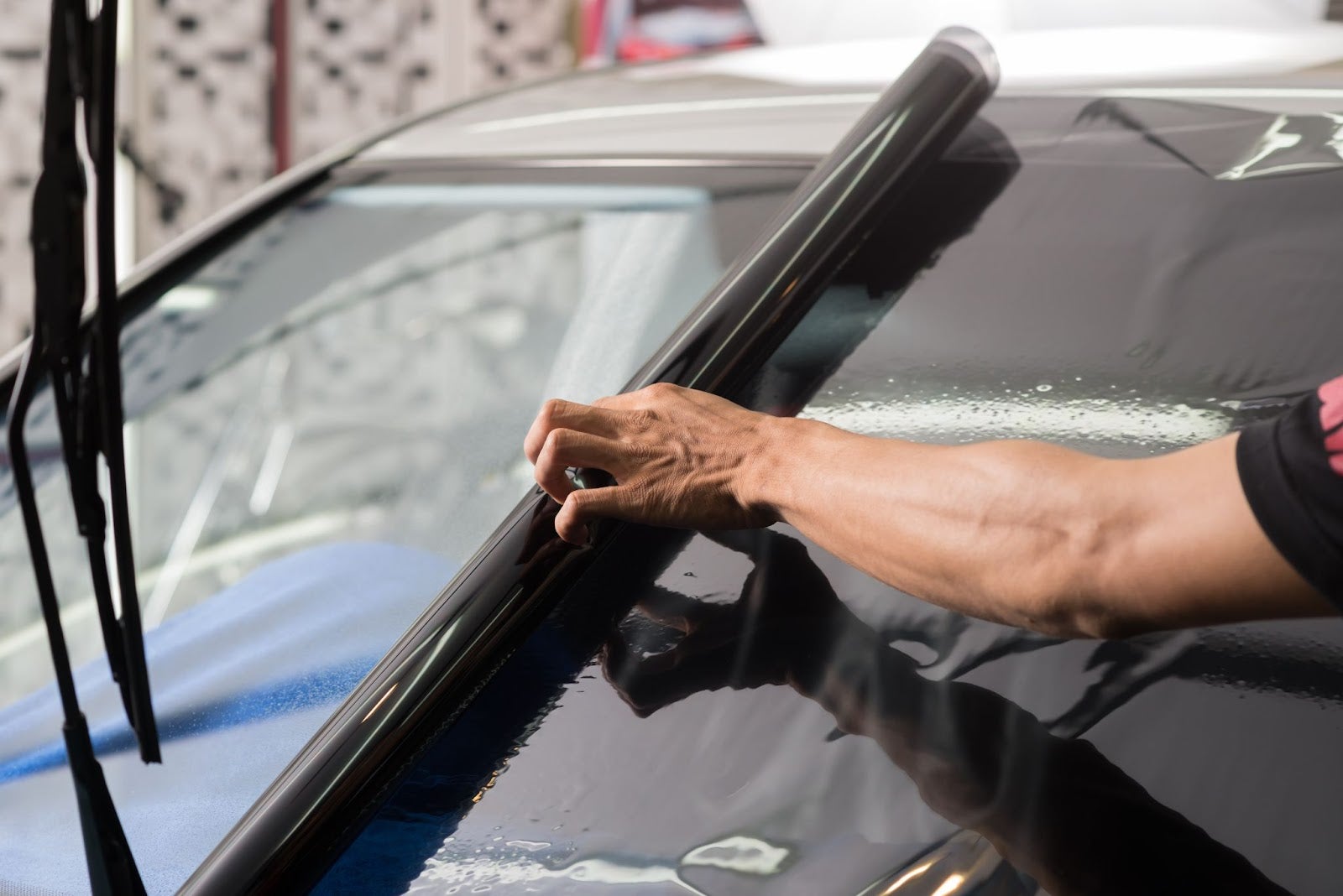
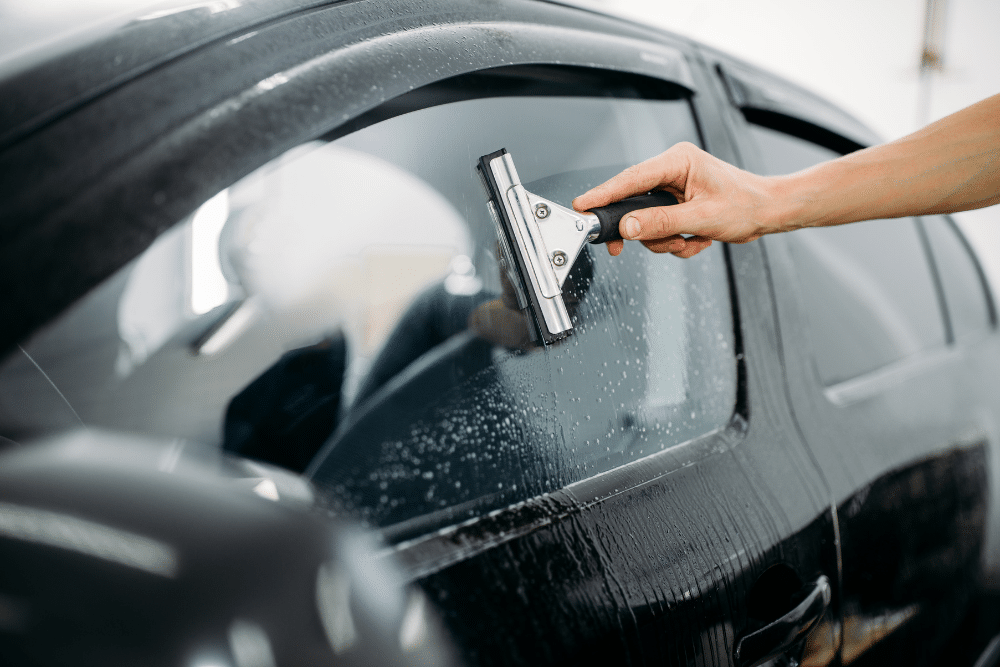
Applying tinting foil on car window in garage

Enhancing Your Vehicle's Performance and Appearance with Window Tint

This article will focus specifically on the benefits and considerations of applying window tint to automobiles, highlighting how it impacts both the functionality and visual appeal of the vehicle. Why Car Owners Choose Tint: For vehicle owners, window tinting is one of the most popular and impactful aftermarket modifications. It’s not merely about aesthetics; it's about a comprehensive enhancement that touches upon comfort, safety, interior longevity, and overall vehicle performance. Aesthetic Transformation: Sleek, Cohesive Look: Window tint instantly elevates a car's curb appeal. It creates a sleek, unified, and often more aggressive or luxurious appearance that complements any vehicle, making it stand out from the factory look. Customization: With various Visible Light Transmitted (VLT) percentages available, car owners can personalize their vehicle's style, from a subtle, factory-like enhancement to a dramatic, blacked-out aesthetic. Interior Environment Improvement: Thermal Comfort: This is a primary driver for many. High-quality automotive tint significantly reduces the amount of solar heat that penetrates the cabin. This results in a noticeably cooler interior, especially after sitting in the sun, and reduces the workload on your air conditioning system, contributing to more efficient cooling and a more comfortable ride. Glare Reduction: Driving can be challenging when faced with blinding sun glare, harsh reflections, or dazzling headlights at night. Tint minimizes these distractions, improving the driver's visibility and reducing eye strain and fatigue, contributing to safer driving. UV Protection for Occupants: Car windows offer limited UV protection. Automotive tint, particularly ceramic films, blocks up to 99% of harmful UVA and UVB rays. This invisible shield protects you and your passengers from the sun's damaging effects on skin and eyes during daily commutes and long journeys. Vehicle Interior Longevity: Fading Prevention: The sun's relentless UV rays are a major culprit for interior degradation. Tint acts as a powerful barrier, preventing the fading, discoloration, and drying out of your dashboard, leather or fabric seats, door panels, and other interior surfaces. Cracking and Warping Prevention: Extreme heat buildup inside a car can lead to plastics warping and leather cracking. By significantly reducing interior temperatures, tint helps to mitigate this damage, preserving the integrity and longevity of your vehicle's components. Safety and Security Aspects: Shatter Resistance: In the unfortunate event of an accident or if a window is impacted, quality window film can help hold shattered glass together, preventing dangerous shards from scattering and reducing the risk of injury to occupants. Deterring Theft: Tinted windows make it much harder for outsiders to see into your vehicle, obscuring valuables and providing an added layer of privacy. This visual deterrent can make your car a less attractive target for smash-and-grab thefts. With window tinting by Automotive Elegance, your car receives more than just tint; it undergoes a complete enhancement. Our precision application of premium film elevates your car's aesthetic, transforms its interior comfort, and significantly protects its value. The result is a vehicle that not only looks exceptional but also performs better in terms of heat management, safety, and interior preservation, reflecting our commitment to world-class craftsmanship and your ultimate driving satisfaction.

how much does window tinting cost

The Best Window Tinting: Choosing the Right Film for Your Needs

This article will guide you through the various types of window tint films available, helping you understand the differences in performance, durability, and cost to make an informed decision for your specific needs. When searching for "the best window tinting," it's crucial to understand that "best" isn't a one-size-fits-all answer. The ideal film for you depends on your individual priorities: is it maximum heat rejection, unparalleled UV protection, optical clarity, privacy, aesthetics, or budget? Here's a breakdown of the primary film types to help you make an informed decision. Understanding Film Categories (from basic to advanced): Dyed Film: Description: This is the most traditional and budget-friendly option. A layer of dye is incorporated into the film to achieve the desired darkness. Performance: Primarily offers aesthetic darkening and some glare reduction. Its heat rejection capabilities are minimal, as it mainly absorbs heat rather than reflecting it. Durability: Prone to fading, bubbling, and purpling over time, especially with prolonged sun exposure. Metallized Film: (Not offered by AE) Description: These films have a layer of microscopic metallic particles (e.g., aluminum, copper, nickel-chrome) embedded within them. Performance: Excellent at reflecting solar energy, providing good heat rejection and increased strength for shatter resistance. Considerations: The metallic content can interfere with electronic signals such as GPS, cell phones, satellite radio, and tire pressure monitoring systems, making it less suitable for modern, tech-heavy vehicles. Carbon Film: (Not offered by AE) Description: Utilizes carbon particles infused into the film, giving it a distinctive matte or charcoal black appearance. Performance: Offers good heat rejection (better than dyed films) by absorbing infrared light. It provides a stable color that resists fading, unlike dyed films. Considerations: Being non-metallic, it does not interfere with electronic signals. Ceramic Film: Description: This is considered the premium, high-performance option. Ceramic films contain multiple layers infused with nano-ceramic particles (like titanium dioxide or silicon carbide) Performance: The standout performer. Ceramic particles are engineered to selectively block a very high percentage of infrared (IR) heat-producing rays and nearly all harmful UV rays without relying on metals or significant darkening. This results in superior heat rejection, excellent optical clarity (no haziness or distortion), and absolute signal friendliness. Durability: Extremely durable, scratch-resistant, and maintains its color and performance over its lifespan. Cost: Generally the most expensive option due to its advanced technology and superior benefits. Crystalline Film (Clear Ceramic/IR Film): (Not offered by AE) Description: A specialized type of ceramic film that is virtually clear, designed for maximum light transmission while still offering impressive heat and UV rejection. Performance: Ideal for those who want the benefits of tint (especially heat and UV protection) without altering the vehicle's aesthetic or complying with very strict VLT regulations on certain windows. Application: Often used on windshields or front side windows where darker tints are not desired or allowed. Key Performance Metrics to Consider: Total Solar Energy Rejected (TSER): An overall measure of how much solar energy (including visible light, UV, and IR) is blocked by the film. A higher TSER means a cooler interior. Infrared Rejection (IRR): Specifically measures how much heat-causing infrared light is blocked. Ceramic films excel here. UV Rejection: The percentage of harmful UVA and UVB rays blocked (ideally 99% or more). Visible Light Transmitted (VLT): The percentage of visible light that passes through the film. Lower VLT means darker tint. Optical Clarity: How clear and undistorted the view is through the film. Durability and Warranty: Look for films with a strong, manufacturer-backed warranty that covers bubbling, peeling, fading, and cracking. Matching Needs to Film Type: Budget-conscious: Dyed film (with understanding of limitations). - XPEL Prime CS Good Heat Rejection, No Signal Issues: XPEL Prime XR Ultimate Heat & UV Rejection, Superior Clarity, Signal Friendly: XPEL Prime XR/XR+ Protection without Darkening: XPEL Prime XR Plus - 70% Tint options with Automotive Elegance: At Automotive Elegance, we simplify the choice for "the best window tinting" by offering a meticulously curated selection of premium films, with an emphasis on advanced ceramic technologies. Our experts provide personalized consultations to understand your specific needs and priorities, ensuring you receive the optimal film type that delivers superior performance, longevity, and aligns perfectly with your driving habits and aesthetic preferences, all installed with unmatched precision and backed by robust warranties.

Contact Us

Fill out this form below and we'll contact you shortly
*Required Fields