Automotive Elegance

Why do you need to remove tint?

While professional window tint is designed for longevity, there are several reasons why a vehicle owner might need or want old tint removed:

Degradation

Over time, especially with lower quality films or improper installation, tint can bubble, peel, crack, or turn purple (due to dye breakdown). This not only looks unsightly but also compromises its performance.

Aesthetic Preference

A desire for a different Visible Light Transmitted (VLT) percentage, a change in film type, or simply wanting to return the windows to a clear state.

Resale or Trade-in

Some buyers or dealerships prefer vehicles without aftermarket tint, or with fresh, high-quality tint. Removing old, degraded film can improve the vehicle’s appeal.

Legal Compliance

In rare cases, if a vehicle moves to a region with different tint laws and the existing tint is non-compliant, removal may be required.

Damage

The film might get scratched, torn, or otherwise damaged, necessitating replacement.

The DIY Temptation (and warnings)

The internet abounds with DIY tint removal guides. While it might seem straightforward, attempting to remove tint yourself can lead to significant problems:

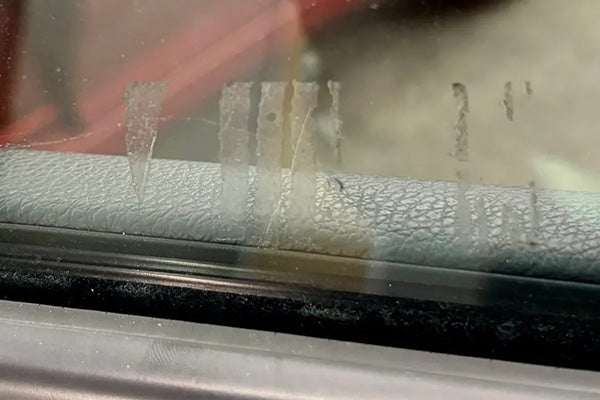
  • Stubborn Adhesive Residue: Old tint often leaves behind a sticky, difficult-to-remove adhesive layer that can be a nightmare to clean, requiring harsh chemicals or abrasive scrubbing.
  • Damage to Defroster Lines: The delicate defroster lines on rear windows are easily damaged by improper scraping or excessive heat, leading to costly repairs.
  • Scratches on Glass: Using improper tools or techniques can result in permanent scratches on the glass, which are impossible to fix without replacing the window.
  • Lingering Odors: Some DIY methods involve strong chemicals that can leave lingering odors in the vehicle.
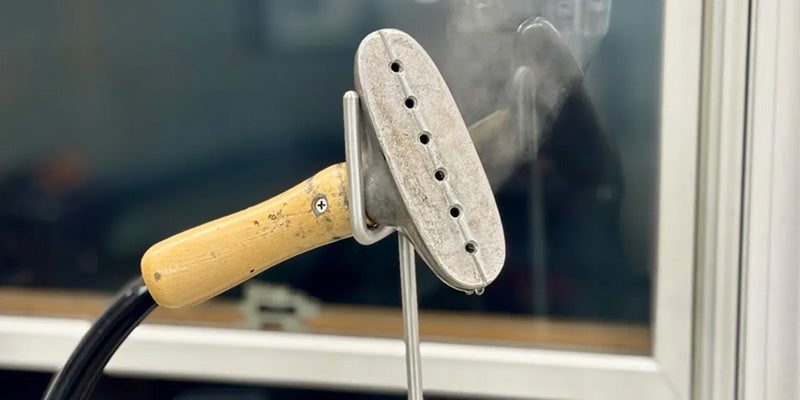
An old, handheld clothes steamer with a light wooden handle and a metal head emitting steam.

The Professional Removal Process

At Automotive Elegance, we approach tint removal with the same meticulous care and expertise as our installations. Our process is designed to be safe, efficient, and reduce the risk of damage.

Steaming/Heat Application

We use professional-grade steam equipment or specialized heat guns to gently warm and soften the old film and its adhesive. This makes the film more pliable and less likely to tear, allowing for cleaner removal.

Careful Peeling

Our technicians meticulously peel the softened film slowly and steadily. The goal is to remove the film and as much adhesive as possible in a single piece, minimizing residue.

Adhesive Cleanup

This is often the most time-consuming part. We use specialized, safe, and effective adhesive removers, along with plastic razor blades or other non-metallic scraping tools, to gently and thoroughly remove any remaining glue without scratching the glass or damaging sensitive defroster lines on the rear window.

Thorough Glass Cleaning

Once all film and adhesive are removed, the glass is meticulously cleaned multiple times to ensure a perfectly pristine, optically clear surface, free of any contaminants, and ready for a new tint application if desired.

Replacement Considerations

After successful tint removal, your windows are in perfect condition for new film. This is an ideal time to upgrade to a higher-performance film like ceramic tint or choose a different VLT to better suit your current needs or aesthetic preferences.

Tint removal with Automotive Elegance

Whether you’re looking to refresh old tint or simply return to clear windows, Automotive Elegance provides a seamless, safe, and expert tint removal service. Our skilled technicians employ specialized techniques to meticulously remove old film and adhesive while minimizing the risk of damage to your vehicle’s glass or defroster lines. The end result is a pristine window surface, ready for a flawless new tint application or a perfectly clear view, all executed with the precision and care expected from the world’s leading PPF and tint installer.

Streaks of dried residue on a car window, with a textured gray window sill beneath.